
Introduction
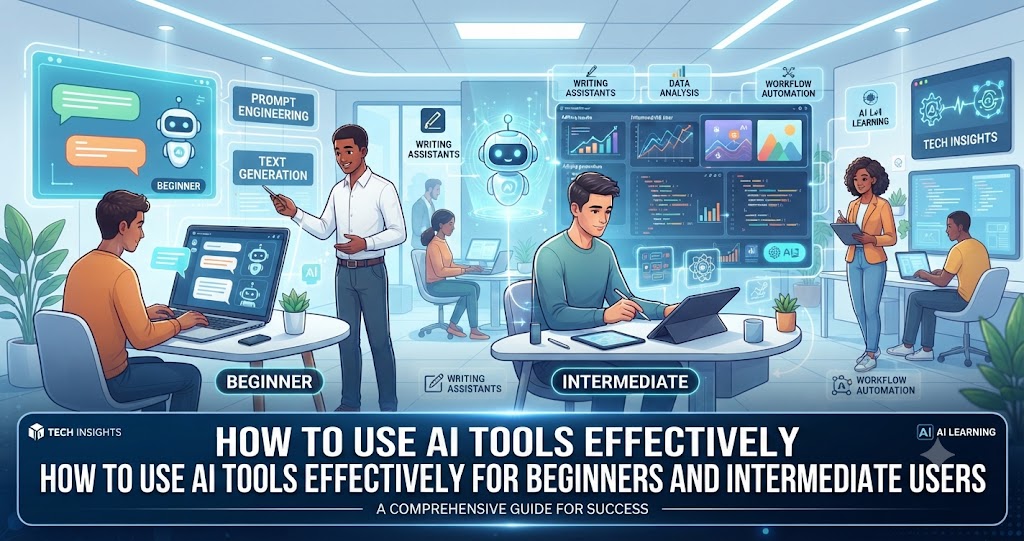
Artificial intelligence is transforming how we work, learn, and communicate. From automation tools to smart assistants, AI software is now accessible to everyone, not just developers. This AI software guide is designed to help beginners and intermediate users understand how these tools function and how to use them effectively. Whether you want to improve productivity, create content, or streamline workflows, learning the basics of AI software can give you a competitive edge in today’s digital world.AI Software Guide
What is AI software?
AI software refers to computer programs that use intelligent algorithms to perform tasks that typically require human thinking. These tasks include learning, problem-solving, language understanding, and decision-making. AI Software Guide
Examples of AI software include writing assistants, image generators, customer service chat systems, and data analysis tools. These tools use machine learning, natural language processing, and automation to deliver accurate and efficient results. AI Software Guide
In simple terms, AI software helps users complete tasks faster and smarter by reducing manual effort. AI Software Guide
Why is AI software important?

AI software is important because it enhances productivity and improves efficiency across industries. Businesses use it to automate repetitive tasks, while individuals use it for content creation, learning, and organization. AI Software Guide
It also reduces human error and provides data-driven insights. For example, marketers can analyze customer behavior, while teachers can create interactive lessons. AI Software Guide
This AI Software Guide highlights how adopting these tools can save time, increase accuracy, and open new opportunities for growth.
Step-by-Step Guide
1. Identify Your Needs
Start by understanding why you need AI software. Are you creating content, managing data, or automating tasks? Clear goals help you choose the right tool.
2. Choose the Right Tool
Select AI software that matches your needs. For example, use writing tools for blogs or design tools for images. Always check features and ease of use.
3. Learn the Basics
Spend time exploring the interface. Most AI software includes tutorials or guides. Practice simple tasks to build confidence.
4. Start with Simple Tasks
Begin with small projects like writing short content or generating ideas. This helps you understand how the software responds.
5. Optimize Your Input
AI tools work best when given clear instructions. Write detailed prompts or commands to get accurate results.
6. Review and Edit Output
Always review results. AI software can make mistakes, so editing ensures quality and accuracy.
Benefits
Using AI software offers several advantages:
- Saves time by automating repetitive tasks
- Improves productivity and workflow efficiency
- Generates ideas and creative content quickly
- Enhances accuracy in data analysis
- Supports learning and skill development
- Reduces workload for individuals and teams
These benefits make AI software a valuable tool for students, professionals, and businesses alike.
Risks or Disadvantages
Despite its advantages, AI software also has some drawbacks:
- May produce inaccurate or biased results
- Over-reliance can reduce critical thinking skills
- Requires learning and adaptation time
- Data privacy concerns in some tools
- Limited creativity compared to human input
Understanding these risks helps users apply AI tools responsibly and effectively.
Common Mistakes to Avoid
Many beginners misuse AI software due to a lack of understanding. Avoid these common mistakes:
Not giving clear instructions is a major issue. Vague inputs lead to poor results.
Another mistake is relying completely on AI without reviewing the output. Always edit and refine the content.
Using too many tools at once can also be confusing. Focus on one or two tools initially.
Ignoring updates and new features is another problem. AI software evolves quickly, so staying updated is important.
FAQs
1. What is AI software used for?
AI software is used for automation, content creation, data analysis, and improving productivity.
2. Is AI software difficult to learn?
No, most tools are beginner-friendly and include tutorials for easy learning.
3. Can AI software replace human work?
It supports human work but cannot fully replace creativity and critical thinking.
4. Is AI software safe to use?
Yes, but users should be cautious about data privacy and tool reliability.
5. Do I need technical skills to use AI software?
Basic knowledge is enough for most tools, especially for beginners.
Expert Tips
To get the most out of this AI software guide, follow these expert tips:
Start with free tools before investing in premium options. This helps you understand your needs without financial risk.
Practice regularly to improve your skills. The more you use AI software, the better results you will get.
Combine AI tools with human creativity. This creates high-quality and unique outputs.
Stay updated with new trends and features. AI technology evolves rapidly, so continuous learning is essential.
Always focus on ethical use. Avoid misuse and ensure your work maintains originality and credibility.
Conclusion
AI software is no longer a futuristic concept; it is a practical tool that anyone can use. This AI software guide has provided a clear understanding of its features, benefits, and limitations. By following the steps and tips outlined above, beginners and intermediate users can confidently explore and use AI tools in their daily tasks. The key is to use AI as a supportive assistant rather than a replacement for human effort. With the right approach, AI software can significantly enhance productivity, creativity, and overall efficiency in both personal and professional life.