
Introduction
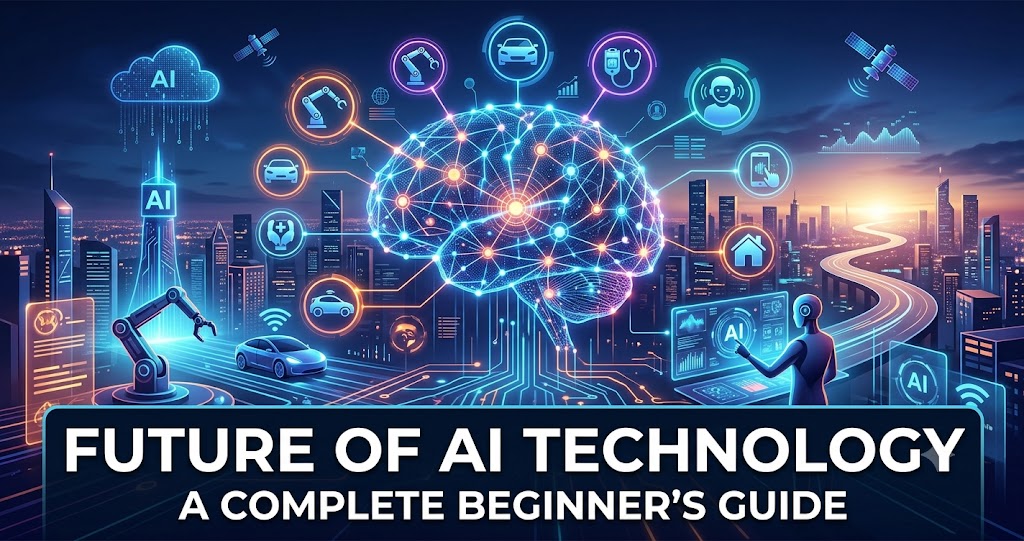
The future of AI technology is rapidly transforming how we live, work, and interact with the world. From smart assistants to advanced automation, this evolving field is becoming a core part of everyday life. Businesses, educators, and individuals are exploring new ways to integrate intelligent systems into their routines. As innovation continues, understanding the future of AI technology is essential for staying relevant. This guide explains the basics, importance, benefits, and risks in a simple and engaging way, helping both beginners and intermediate readers grasp what lies ahead.
What is the future of AI technology?
The future of AI technology refers to the ongoing development of intelligent systems that can perform tasks requiring human-like thinking. These systems use data, algorithms, and machine learning to improve performance over time.
In simple terms, it includes tools and systems that can analyze data, recognize patterns, and make decisions. Examples include voice assistants, recommendation systems, and automated customer support.
As technology advances, these systems are expected to become more accurate, faster, and capable of handling complex tasks across industries like healthcare, finance, and education.
Why is the future of AI technology important?
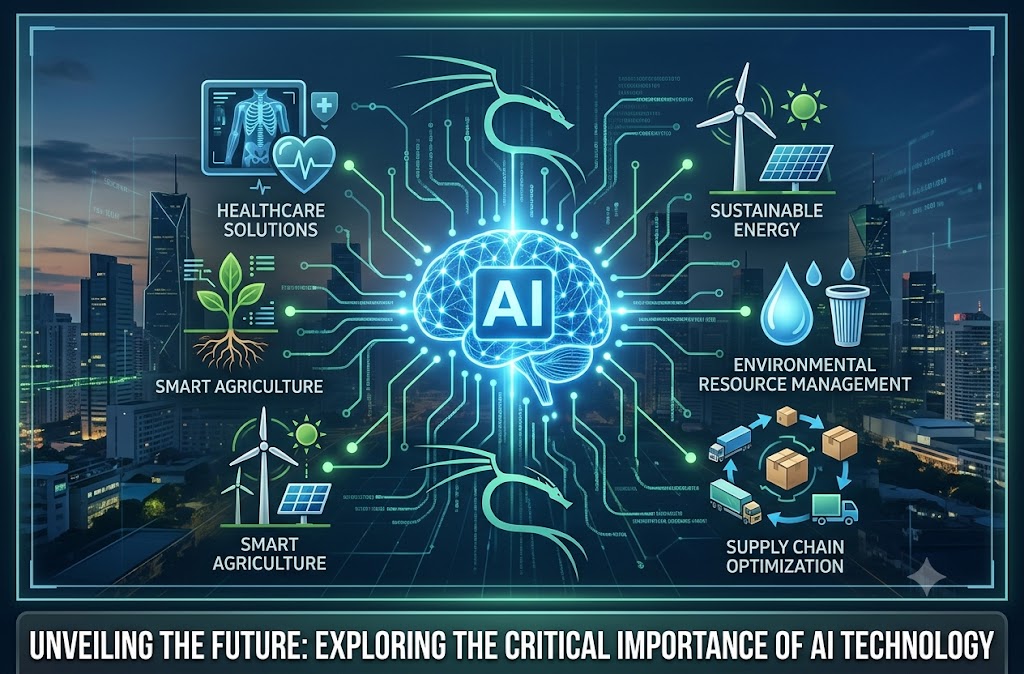
The future of AI technology is important because it drives innovation and efficiency. It helps businesses automate repetitive tasks, allowing people to focus on creative and strategic work.
In healthcare, it can assist in early diagnosis. In education, it enables personalized learning experiences. In business, it improves decision-making through data analysis.
Moreover, it creates new job opportunities while transforming existing roles. Understanding its importance helps individuals prepare for upcoming changes in the global workforce.
Step-by-Step Guide
1. Learn the Basics
Start by understanding how intelligent systems work. Learn about data, algorithms, and basic machine learning concepts.
2. Explore Real-World Applications
Look at how industries use these systems. For example, e-commerce platforms use them for product recommendations.
3. Develop Relevant Skills
Focus on skills like data analysis, problem-solving, and critical thinking. These are valuable in an AI-driven world.
4. Stay Updated
Follow industry trends and news. The future of AI technology evolves quickly, so continuous learning is essential.
5. Practice with Tools
Use beginner-friendly platforms and tools to gain hands-on experience and improve your understanding.
Benefits
- Improves efficiency by automating repetitive tasks
- Enhances decision-making with data-driven insights
- Supports innovation across industries
- Creates personalized user experiences
- Reduces human error in critical processes
- Opens new career opportunities
Risks or Disadvantages
- Job displacement in certain sectors
- High development and implementation costs
- Data privacy and security concerns
- Dependence on technology
- Ethical issues in decision-making systems
- Lack of transparency in complex algorithms
Common Mistakes to Avoid
Many people misunderstand the future of AI technology by expecting instant results. One common mistake is ignoring the learning curve. It takes time to understand how these systems work.
Another mistake is relying completely on automation without human oversight. This can lead to errors or biased decisions. Additionally, failing to stay updated with trends can limit growth opportunities.
Avoid assuming that it replaces all human jobs. Instead, it changes how work is done. Balancing human skills with technological tools is the key to success.
FAQs
1. What is the future of AI technology in simple terms?
It refers to the development of intelligent systems that can perform tasks like humans and improve over time.
2. Will it replace human jobs?
It may replace some tasks but also creates new job opportunities requiring different skills.
3. How can beginners start learning?
Start with basic concepts, explore real-life examples, and practice using simple tools.
4. Is it safe to use?
It is generally safe, but risks like data privacy and ethical concerns need careful management.
5. Which industries benefit the most?
Healthcare, finance, education, and retail are among the top industries benefiting from it.
Expert Tips
To stay ahead in the future of AI technology, focus on continuous learning. Develop both technical and soft skills, such as communication and problem-solving.
Try to understand real-world applications instead of only theoretical knowledge. This helps in practical implementation. Networking with professionals and joining relevant communities can also provide valuable insights.
Finally, always stay curious. The more you explore, the better you will understand how to adapt and grow in this evolving field.
Conclusion
The future of AI technology is shaping a smarter and more efficient world. It offers exciting opportunities while presenting certain challenges that require careful management. By understanding its basics, importance, and applications, individuals can prepare for upcoming changes with confidence. Whether you are a student, professional, or business owner, staying informed is essential. Embracing innovation while maintaining ethical responsibility will help create a balanced and sustainable future where technology and human potential work together effectively.