
Introduction
Machine learning is transforming how businesses, apps, and systems operate in today’s digital world. At the heart of this transformation are machine learning algorithms, which enable computers to learn from data and make decisions without being explicitly programmed. Whether you are a student, developer, or business owner, understanding these algorithms can open new opportunities. This guide explains the basics in a simple and engaging way, helping beginners and intermediate readers build a strong foundation and confidently explore real-world applications.
What are machine learning algorithms?
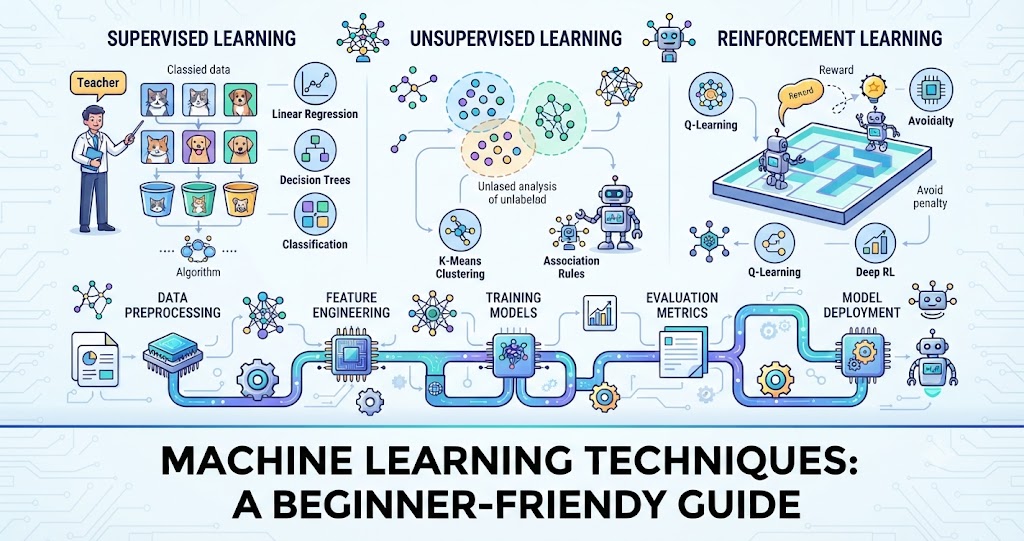
Machine learning algorithms are sets of rules and statistical techniques that allow computers to identify patterns in data and improve their performance over time. Instead of following fixed instructions, these algorithms learn from examples.
There are three main types:
- Supervised learning (uses labeled data)
- Unsupervised learning (finds hidden patterns)
- Reinforcement learning (learns through rewards and penalties)
For example, an email spam filter uses machine learning algorithms to detect unwanted messages based on past data.
Why are Machine Learning Algorithms Important?

Machine learning algorithms play a vital role in modern technology. They help automate complex tasks and improve efficiency across industries.
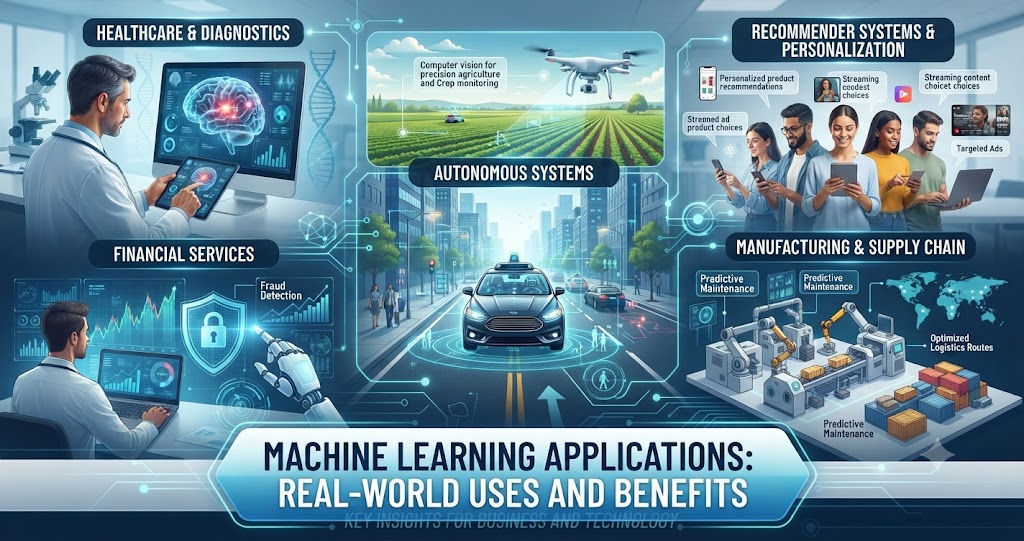
From healthcare diagnostics to online shopping recommendations, these algorithms power intelligent systems. Businesses use them to analyze customer behavior, while developers integrate them into apps for personalization.
Additionally, machine learning algorithms support data-driven decision-making, reducing human error and saving time. As data continues to grow, its importance will only increase.
Step-by-Step Guide
Step 1: Understand the Problem
Start by clearly defining what you want to achieve. For instance, do you want to predict sales or classify images? A clear goal helps in selecting suitable machine learning algorithms.
Step 2: Collect and Prepare Data
Data is essential. Gather relevant datasets and clean them by removing errors, duplicates, and missing values. High-quality data improves model performance.
Step 3: Choose the Right Algorithm
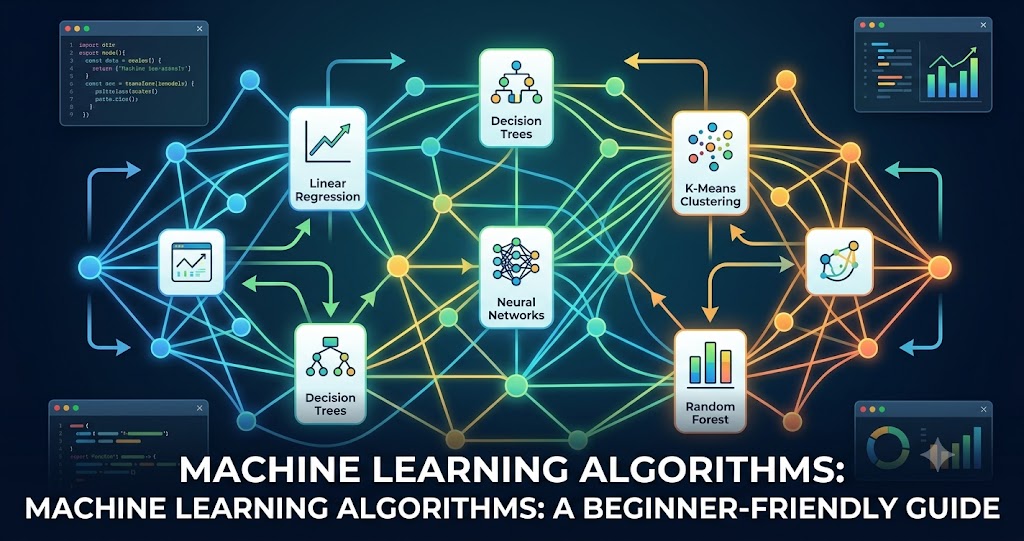
Select appropriate machine learning algorithms based on your problem:
- Linear regression for predictions
- Decision trees for classification
- K-means for clustering
Step 4: Train the Model
Feed your data into the algorithm so it can learn patterns. This step involves adjusting parameters to improve accuracy.
Step 5: Evaluate Performance
Use metrics like accuracy, precision, and recall to measure how well your model performs.
Step 6: Deploy and Monitor
Once satisfied, deploy the model in a real environment. Continue monitoring and updating it as new data becomes available.
Benefits
Machine learning algorithms offer several advantages:
- Improve decision-making with data insights
- Automate repetitive tasks efficiently
- Enhance customer experience through personalization
- Detect fraud and anomalies quickly
- Scale easily with large datasets
- Support innovation across industries
Risks or Disadvantages
Despite their advantages, machine learning algorithms also have challenges:
- Require large amounts of quality data
- Can be complex for beginners
- Risk of biased results if data is flawed
- High computational cost for advanced models
- Lack of transparency in some algorithms
Common Mistakes to Avoid
Many beginners make errors when working with machine learning algorithms. Avoid these pitfalls:
- Using poor-quality or insufficient data
- Choosing the wrong algorithm for the problem
- Ignoring data preprocessing
- Overfitting the model to training data
- Not validating results properly
For example, overfitting occurs when a model performs well on training data but fails in real-world scenarios.
FAQs
1. What are machine learning algorithms used for?
They are used for prediction, classification, recommendation systems, and automation tasks.
2. Are machine learning algorithms difficult to learn?
They can be challenging initially, but beginners can understand them with practice and basic knowledge of math and programming.
3. Which algorithm is best for beginners?
Linear regression and decision trees are simple and easy to start with.
4. Do I need coding skills?
Basic programming knowledge, especially in Python, is helpful but not always mandatory.
5. Can machine learning algorithms work without data?
No, data is essential for training and improving these algorithms.
Expert Tips
To succeed with machine learning algorithms, follow these expert tips:
- Start with simple models before moving to complex ones
- Focus on data quality over quantity
- Practice with real-world datasets
- Learn basic statistics and probability
- Continuously test and improve your models
Consistency and curiosity are key to mastering machine learning concepts.
Conclusion
Machine learning algorithms are powerful tools that drive innovation in today’s data-driven world. By understanding their basics, types, and applications, beginners can take the first step toward building intelligent systems. While challenges exist, the benefits far outweigh the risks when approached correctly. With proper learning, practice, and attention to detail, anyone can harness the potential of machine learning algorithms. Start small, stay consistent, and gradually explore advanced techniques to unlock exciting opportunities in this rapidly growing field.