
Introduction
Machine learning tools are transforming how individuals and businesses analyze data, automate processes, and build intelligent systems. For beginners and intermediate learners, understanding these tools is the first step toward mastering modern technology. Whether you are a student, developer, or entrepreneur, learning how to use machine learning tools can open doors to new opportunities. This guide explains what these tools are, why they matter, and how you can start using them effectively without feeling overwhelmed.
What are machine learning tools?
Machine learning tools are software platforms, libraries, and frameworks designed to help users build, train, and deploy machine learning models. These tools simplify complex algorithms and make it easier to work with data.
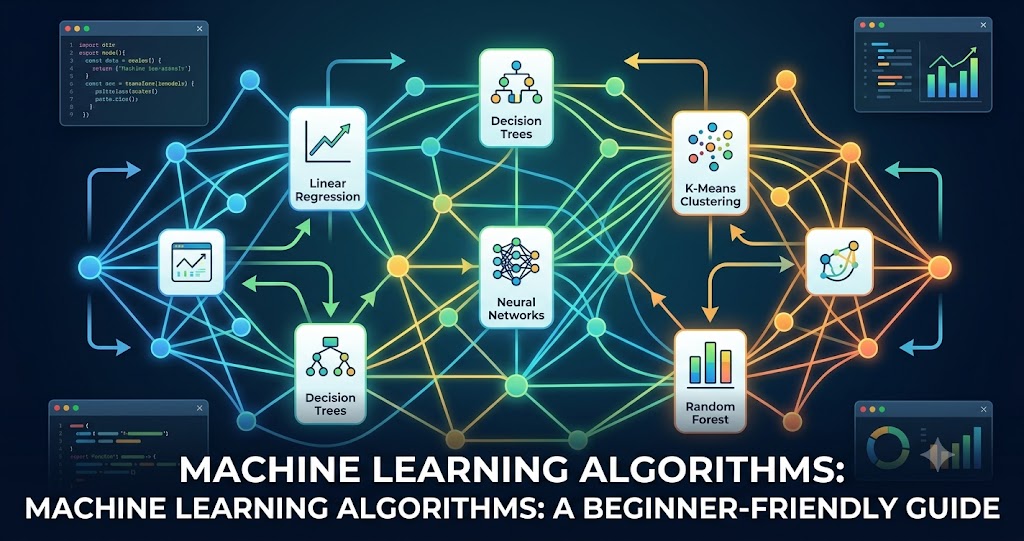
Popular examples include Python-based libraries like TensorFlow, Scikit-learn, and PyTorch. Some tools offer visual interfaces, allowing beginners to create models without extensive coding knowledge. These tools are essential for tasks like prediction, classification, and data analysis.
Why are Machine Learning Tools Important?

play a key role in today’s data-driven world. They help businesses make smarter decisions by analyzing large datasets quickly and accurately.
These tools are important because they reduce manual effort, improve efficiency, and enable automation. For example, companies use it them for customer recommendations, fraud detection, and demand forecasting. Without these tools, implementing machine learning would be far more complex and time-consuming.
Step-by-Step Guide
Step 1: Choose the Right Tool
Start by selecting a tool that matches your skill level. Beginners often prefer Scikit-learn, while advanced users may explore TensorFlow or PyTorch.
Step 2: Learn Basic Programming
Most machine learning tools require basic knowledge of Python. Focus on learning simple concepts like variables, loops, and functions.
Step 3: Understand Data Handling
Learn how to collect, clean, and organize data. Machine learning tools rely heavily on high-quality data for accurate results.
Step 4: Build a Simple Model
Use beginner-friendly datasets to create your first model. For example, build a model that predicts house prices or classifies emails as spam.
Step 5: Train and Evaluate
Train your model using available data and evaluate its performance. Most machine learning tools provide built-in evaluation metrics.
Step 6: Deploy Your Model
Once satisfied with the results, deploy your model in a real-world environment such as a website or application.
Benefits
- Simplifies complex data analysis tasks
- Saves time through automation
- Improves decision-making accuracy
- Supports scalability for large datasets
- Offers flexibility with various tools and frameworks
- Enables innovation in multiple industries
Risks or Disadvantages
- Requires quality data for reliable results
- Learning curve for beginners
- Can be computationally expensive
- Risk of overfitting models
- Dependence on technical skills
Common Mistakes to Avoid
Many beginners make avoidable mistakes when using machine learning tools. One common error is using poor-quality data, which leads to inaccurate predictions. Another mistake is choosing overly complex tools at the start, causing confusion.
Ignoring model evaluation is also risky. Always test your model before deployment. Additionally, avoid overfitting by ensuring your model performs well on new data, not just training data.
FAQs
1. What are the best machine learning tools for beginners?
Scikit-learn and beginner-friendly platforms with simple interfaces are ideal starting points.
2. Do I need coding skills to use machine learning tools?
Basic coding knowledge is helpful, but some tools offer no-code or low-code options.
3. Are machine learning tools free?
Many tools are open-source and free, while some advanced platforms may require payment.
4. How long does it take to learn machine learning tools?
It depends on your dedication, but basic understanding can be achieved in a few weeks.
5. Can machine learning tools be used in small businesses?
Yes, they help improve efficiency, customer insights, and decision-making.
Expert Tips
Start small and focus on one tool at a time instead of trying everything at once. Practice regularly using real-world datasets to build confidence. Keep your learning consistent and stay updated with new features in machine learning tools.
It is also helpful to join online communities where you can ask questions and learn from others. Document your projects to track progress and showcase your skills.
Conclusion
Machine learning tools are powerful resources that make advanced data analysis accessible to everyone. By choosing the right tools and following a structured approach, beginners can quickly develop practical skills. These tools not only improve efficiency but also create opportunities in various industries. While challenges exist, consistent practice and learning can help you overcome them. As technology continues to evolve, mastering machine learning tools will remain a valuable skill for both personal and professional growth.