
Introduction
Machine learning applications are transforming how businesses, industries, and individuals solve problems. From personalized recommendations on streaming platforms to fraud detection in banking, these technologies are becoming part of everyday life. For beginners and intermediate learners, understanding how machine learning works in real-world scenarios is essential for staying relevant in today’s digital age. This article explains key concepts, practical uses, and step-by-step insights into machine learning applications in a simple and engaging way.
What are machine learning applications?
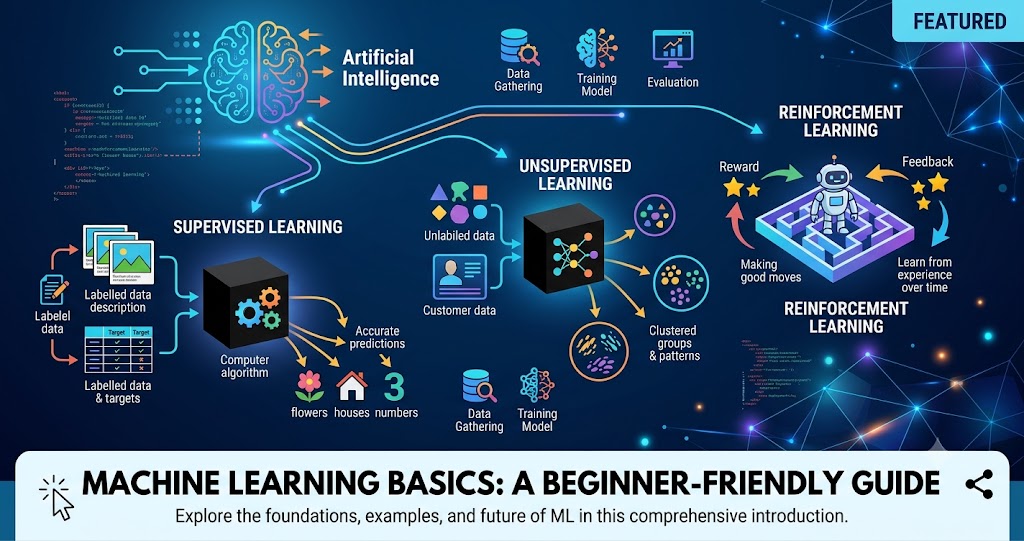
Machine learning applications refer to the practical use of algorithms that allow computers to learn from data and improve performance without being explicitly programmed. These systems analyze patterns, make predictions, and automate decisions.
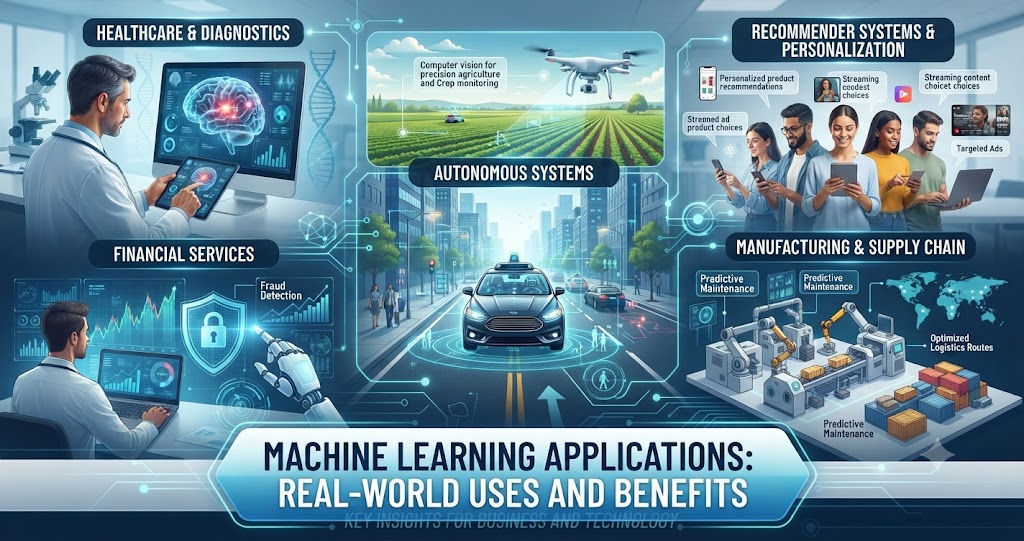
Common examples include recommendation systems, voice assistants, image recognition, and predictive analytics. Businesses use these applications to enhance efficiency, reduce costs, and improve customer experiences.
In simple terms, machine learning applications turn raw data into meaningful insights that help organizations make smarter decisions.
Why are machine learning applications important?
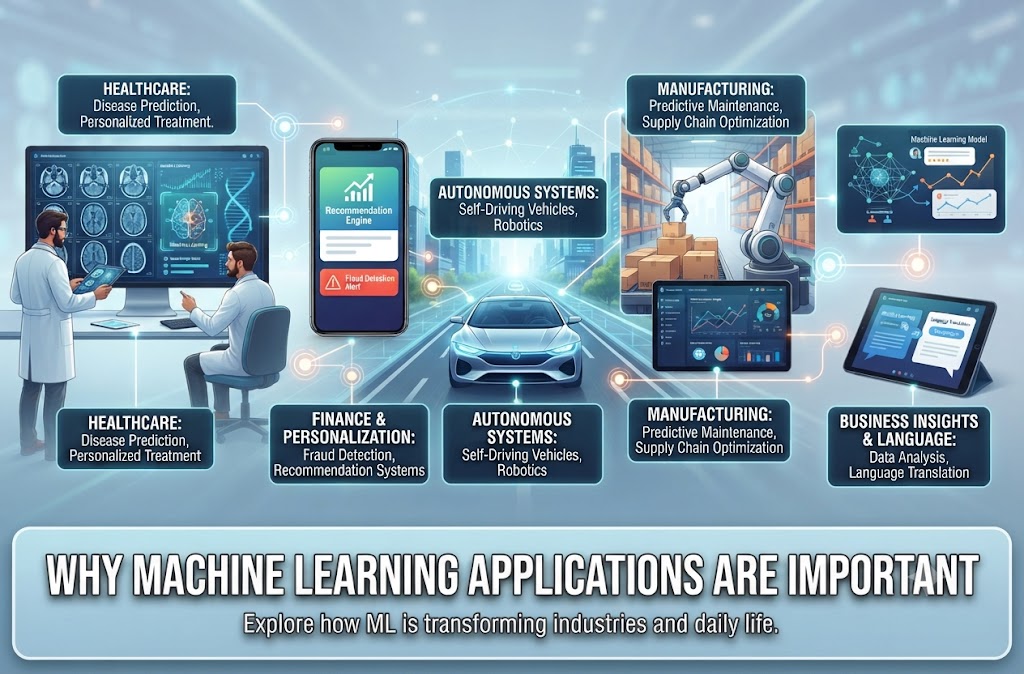
Machine learning applications are important because they enable automation and intelligent decision-making at scale. Companies can process vast amounts of data quickly and accurately.
They also help in improving customer satisfaction. For example, e-commerce platforms use machine learning to recommend products based on user behavior.
Additionally, industries like healthcare benefit from predictive models that assist in early diagnosis and treatment planning. This makes machine learning applications essential for innovation and growth.
Step-by-Step Guide
Step 1: Define the Problem
Start by identifying the specific problem you want to solve. For example, predicting customer churn or detecting spam emails.
Step 2: Collect and Prepare Data
Gather relevant data from reliable sources. Clean and organize it to ensure accuracy and consistency before training the model.
Step 3: Choose the Right Model
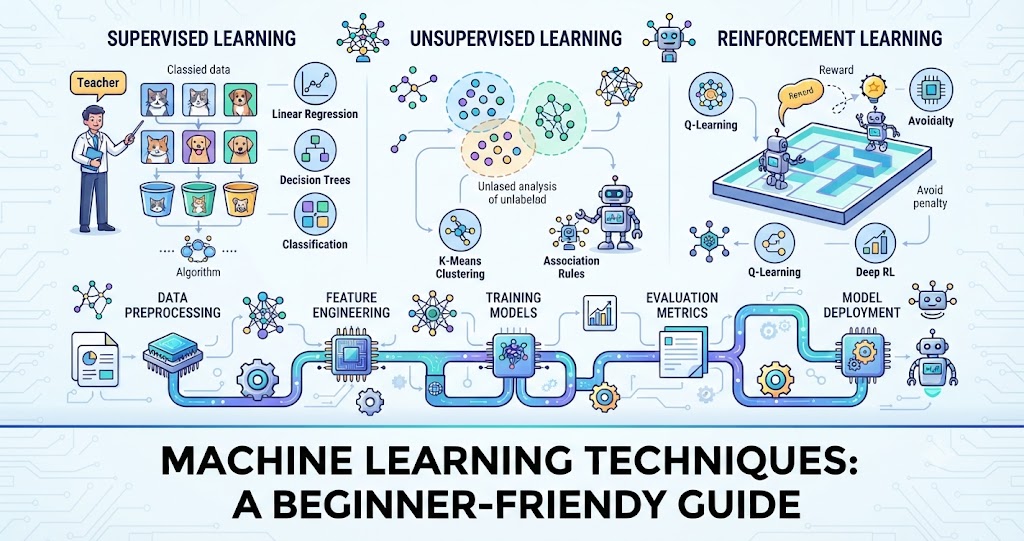
Select a suitable algorithm such as regression, classification, or clustering based on your objective.
Step 4: Train the Model
Feed the data into the model and allow it to learn patterns. This step is crucial for building effective machine learning applications.
Step 5: Evaluate Performance
Test the model using new data to measure accuracy and reliability. Adjust parameters if needed.
Step 6: Deploy and Monitor
Implement the model in a real environment and continuously monitor its performance for improvements.
Benefits
Machine learning applications offer numerous advantages across different sectors:
- Improve decision-making with data-driven insights
- Automate repetitive tasks and save time
- Enhance customer experience through personalization
- Detect fraud and security threats effectively
- Increase operational efficiency and productivity
- Enable predictive analytics for better planning
These benefits make machine learning applications highly valuable for modern businesses.
Risks or Disadvantages
Despite their advantages, machine learning applications also have some limitations:
- Require large amounts of quality data
- Can be expensive to develop and maintain
- Risk of biased or inaccurate predictions
- Lack of transparency in complex models
- Dependence on technical expertise
Understanding these risks helps organizations use machine learning responsibly.
Common Mistakes to Avoid
One common mistake is using poor-quality data, which leads to inaccurate results. Always ensure your dataset is clean and relevant.
Another issue is overfitting, where the model performs well on training data but fails in real scenarios. Proper validation techniques can prevent this.
Ignoring model monitoring is also risky. Machine learning applications need regular updates to stay effective.
Lastly, many beginners choose complex models unnecessarily. Start simple and scale gradually for better results.
FAQs
1. What are examples of machine learning applications?
Examples include recommendation systems, fraud detection, speech recognition, and medical diagnosis tools.
2. Do I need coding skills to use machine learning applications?
Basic coding knowledge helps, but many tools now offer user-friendly interfaces for beginners.
3. How is machine learning used in business?
Businesses use it for customer insights, automation, forecasting, and improving marketing strategies.
4. Are machine learning applications expensive?
Costs vary depending on complexity, data requirements, and infrastructure.
5. Can small businesses use machine learning applications?
Yes, many affordable tools and platforms make it accessible for small businesses.
Expert Tips
Start with a clear objective before building machine learning applications. This keeps your project focused and efficient.
Always prioritize data quality over quantity. Clean, well-structured data leads to better outcomes.
Use pre-built models and tools when possible to save time and resources. Many platforms offer ready-to-use solutions.
Continuously test and improve your models. Machine learning is an ongoing process, not a one-time task.
Finally, stay updated with industry trends to keep your skills relevant and competitive.
Conclusion
Machine learning applications are reshaping industries by enabling smarter decisions and automation. From healthcare to finance and retail, their impact continues to grow rapidly. For beginners and intermediate learners, understanding how these applications work is the first step toward leveraging their potential. By following best practices, avoiding common mistakes, and focusing on data quality, anyone can start exploring this exciting field. As technology evolves, machine learning applications will play an even bigger role in shaping the future of innovation and efficiency.